


Weather in Georgia by Region – Understanding the georgia country climate
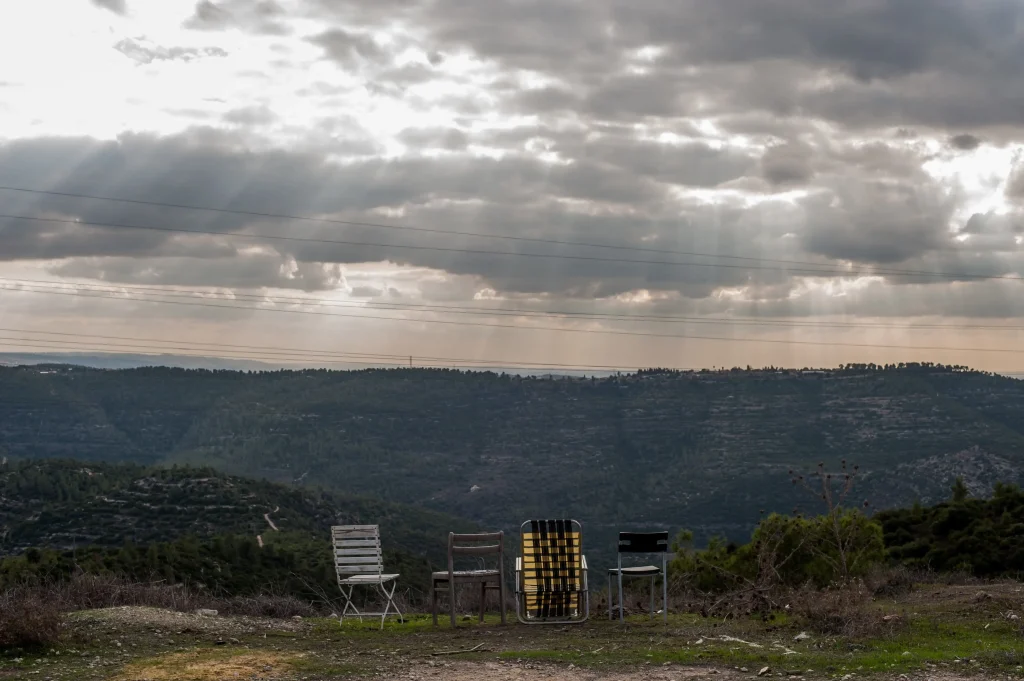
Weather in Georgia by Region – Understanding the georgia country climate
The georgia country climate is incredibly diverse, ranging from subtropical humidity on the coast to continental dry heat in the east. Generally, you can expect warm summers (25-35°C) and cool winters, though mountain regions remain snowy and cold for half the year, offering a unique regional variety.
Book a consultation now



As you stand on the balcony of a refurbished apartment in Old Tbilisi or look out over the Black Sea from a high-rise in Batumi, you quickly realize that Georgia is a land of many microclimates. For potential investors, digital nomads, and expats, understanding the georgia country climate is not just about knowing when to pack a coat; it is about understanding the lifestyle, the energy costs, and the seasonal rhythm of the country. This narrative journey through the regions will help you grasp the complexities of the georgia country climate and how it shapes the daily experience of those who choose to live here.
The Diverse Nature of the georgia country climate
To understand Georgia’s climate, one must first look at the map. The Likhi Mountain Range serves as a natural divider, splitting the nation into eastern and western halves. This geographic split creates two radically different weather patterns. In the west, the influence of the Black Sea brings moisture and warmth, while in the east, the landscape opens up to a more continental influence, shielded from the sea’s dampness but exposed to the dry air of Central Asia.
This duality is the cornerstone of the georgia country climate. It means that on a single day in April, you could be sunbathing on a beach in the west and skiing in the high Caucasus mountains just a few hours away. For those planning a long-term stay, this variety is a significant draw, offering a refreshing change of pace as you move between the urban centers and the rural retreats.
The Heart of the East: Navigating tbilisi weather
The capital city, Tbilisi, sits in a valley surrounded by hills. This unique topography plays a major role in shaping tbilisi weather throughout the year. In the spring, the city awakens with a burst of green. April and May are perhaps the most pleasant months to experience the capital, as the temperatures are mild and the air is fresh. During this time, tbilisi weather is characterized by gentle breezes and occasional afternoon showers that keep the city’s many parks lush and vibrant.
However, as June approaches, the continental side of the georgia country climate begins to assert itself. Summer in the capital can be intense. tbilisi weather in July and August often sees temperatures climbing above 35°C. The heat is dry, which many find more tolerable than coastal humidity, but it necessitates a lifestyle shift. You will notice that the city slows down during the mid-day hours, with locals retreating to air-conditioned cafes or heading to the nearby Turtle Lake or Lisi Lake to cool off.
As autumn arrives, tbilisi weather becomes the gold standard for urban living. September and October offer crisp mornings and golden afternoons, perfect for exploring the city’s winding cobblestone streets. It is the season of the harvest, and the weather reflects that abundance – stable, warm, and inviting. When winter finally settles in, tbilisi weather is generally mild compared to Northern Europe. Snow is rare and usually melts within a day, though the wind can occasionally bring a biting chill from the mountains. This predictability makes the capital a reliable home base for those who prefer a city that remains active year-round.
The Subtropical Coast: Insights into batumi weather
Moving west across the mountains, the atmosphere shifts completely. Batumi, the “Pearl of the Black Sea,” operates under a different set of rules within Georgia’s climate. Here, the sea dictates everything. batumi weather is famously humid and subtropical. For those who love greenery, this is paradise; the high rainfall ensures that the surrounding hills stay a deep, vibrant emerald throughout the year.
The summer months bring a different flavor to the coast. While the temperatures are slightly lower than in the capital, the humidity in batumi weather makes it feel much warmer. August is the peak of the tourist season, where the warm sea water and the tropical breeze create a holiday atmosphere that is hard to match. However, one must always be prepared for the famous Batumi rain. Unlike the capital’s dry spells, batumi weather can feature sudden, heavy downpours that vanish as quickly as they appear, leaving the air smelling of jasmine and sea salt.
In the winter, the coast stays significantly warmer than the rest of the country. You will rarely see frost here, and the palm trees that line the boulevard are a testament to the mildness of the batumi weather. This makes it an attractive winter escape for those who find the mountain cold too harsh. However, the humidity requires residents to be mindful of home maintenance, particularly regarding insulation and ventilation, a professional consideration we often discuss with our real estate clients. Even in the quieter months, the moody, misty version of batumi weather has a romantic charm that appeals to writers and those seeking a slower pace of life.
The High Caucasus: An Alpine Reality
Beyond the main cities, the georgia country climate takes on a more rugged persona. The mountain regions of Svaneti, Kazbegi, and Racha offer a true alpine experience. Here, the weather is governed by altitude. Even in the height of summer, the mountain air remains cool and thin, providing a necessary escape for those fleeing the heat of the valleys.
In these heights, the georgia country climate is defined by long, snowy winters. Places like Gudauri and Bakuriani become hubs for skiing and snowboarding, with snow blankets often lasting from December through April. For a business or a resident, this means planning for a different type of infrastructure. The resilience of the Georgian people is best seen here, where mountain passes are kept clear and mountain hospitality remains warm regardless of the blizzard outside.
Seasonal Living and Business Practicalities
When we consult with clients about relocating or investing, we always emphasize how the georgia country climate affects operational costs. In the east, where tbilisi weather brings cold winters and hot summers, energy efficiency in buildings is paramount. Modern developments are increasingly focusing on thermal insulation to keep heating bills low in January and cooling costs manageable in August.
In the west, the focus shifts to moisture control. The batumi weather requires high-quality construction materials that can withstand the salt air and the high humidity levels. Understanding these nuances is part of the “business” of living in Georgia. It’s not just about the beauty of the landscape; it’s about how the georgia country climate interacts with the structures we live in and the clothes we wear.
The transition seasons – Spring and Autumn – are arguably the best times for business travel and site visits. The stability of the georgia country climate during these months ensures that travel between the regions is easy and pleasant. Whether you are driving through the wine regions of Kakheti or taking the high-speed train to the coast, the temperate conditions make the journey as enjoyable as the destination.
Conclusion: Finding Your Perfect Spot
The georgia country climate is a mosaic. It offers a piece of everything: the dry, historic warmth of the east, the lush, humid embrace of the west, and the frozen majesty of the north. This variety ensures that no matter your preference – whether you thrive in a bustling, sunny metropolis or a quiet, misty coastal town – there is a corner of this country that will feel like it was made for you.
Choosing where to settle often comes down to which version of the georgia country climate suits your soul. Do you prefer the predictable cycles of tbilisi weather, with its distinct four seasons and dry air? Or are you drawn to the ever-changing, dramatic shifts of batumi weather, where the sea air is always present? Whatever your choice, Georgia offers a quality of life that is deeply connected to the natural world.
Ready to Navigate the Georgian Market?
Understanding the weather is just the beginning. Whether you are looking for a summer home on the coast or a permanent residence in the capital, the local conditions play a vital role in your decision. Our team specializes in helping clients find the perfect match for their lifestyle and investment goals, regardless of the season.
Call us at +995 511 13 63 85 and book your consultation today! Let us help you find your place in the diverse and beautiful georgia country climate.
Frequently Asked Questions
What is the best time of year to visit according to the georgia country climate?
The best time is generally during the “shoulder seasons” of May-June and September-October. During these months, the weather is temperate across the entire country, avoiding the extreme heat of the summer and the snow of the winter.
How does batumi weather affect the cost of living?
While the mild winters can save on heating costs, the high humidity often means a greater need for air conditioning in the summer and dehumidifiers in the winter. Real estate investors should ensure properties have high-quality moisture protection to maintain their value.
Is tbilisi weather suitable for people who dislike extreme heat?
If you are sensitive to heat, the months of July and August in Tbilisi can be challenging. However, many residents take advantage of the proximity to the mountains or the coast during this time, and the city’s infrastructure is well-equipped with air conditioning in almost all public and private spaces.